What role does textile design play in the circular economy?
Up to 80 percent of environmental impacts stem from the design phase. Here's how to design textiles that can be recycled.

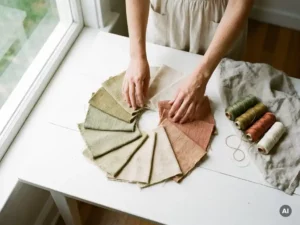
Up to 80 percent of environmental impacts stem from the design phase. Here's how to design textiles that can be recycled.
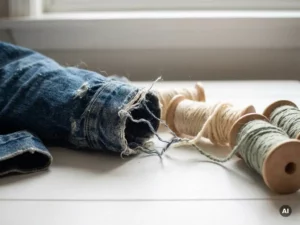
Recycling breaks down textiles; upcycling enhances their value. Find out here which process is more sustainable.
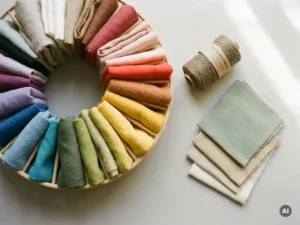
The circular economy reduces raw material costs and strengthens market position. What textile companies need to know now.
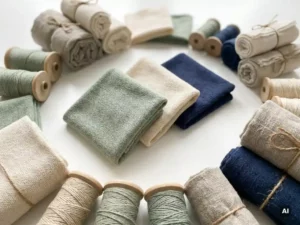
Circular Economy for Fashion Brands: When a Gradual Transition Makes More Sense Than a Radical Overhaul.

Sustainable textile production protects ecosystems, conserves resources, and is becoming increasingly important from a legal standpoint. Find out why.
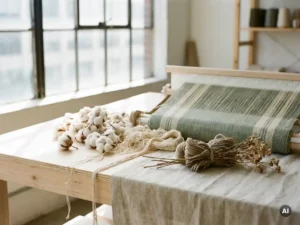
Five Specific Challenges in Sustainable Textile Production and How Digitalization Paves the Way for Businesses.

ERP software makes sustainable textile production measurable. Here's how it works in practice.
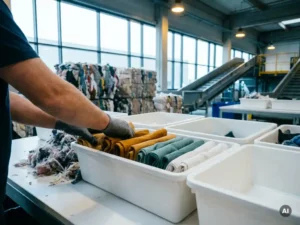
Textile Recycling: An Overview of Mechanical Recycling, Chemical Processes, and Digital Sorting.

Carbon footprint, water consumption, recycling rate: These metrics reliably measure the success of sustainable textile production.